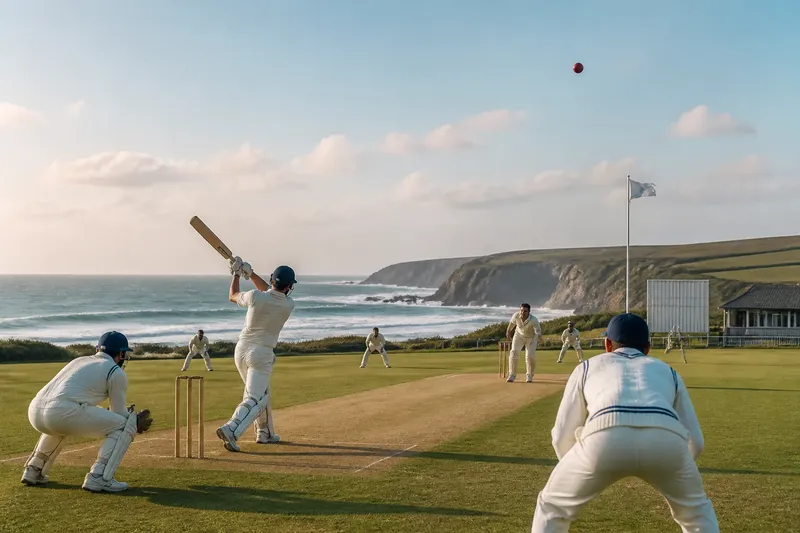
From Village Green to Seaside Club: How Cricket Grounds Took Shape
Explore how cricket grounds developed from shared village greens into seaside club spaces, and how access, upkeep and local customs shaped match days.
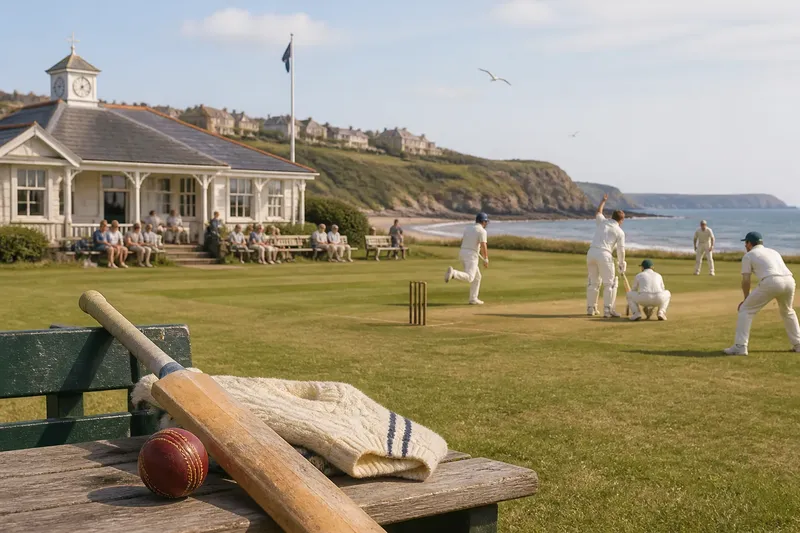
Cricket grounds took different forms as communities organised play around the land available to them. The shift from village green to seaside club was not a single historical sequence followed everywhere: shared spaces and dedicated grounds have coexisted, and each place has its own story.
What can be described without assuming a universal timeline is the practical difference between these settings. A common might serve many local purposes, while a club ground gives a team a more regular base. Access, upkeep and local customs reveal how cricket fits into each community.
Shared land made cricket one part of village life
A village green or common could accommodate cricket alongside walking, gatherings and other local uses. The match took place within a space that was not reserved for players alone. Neighbours might stop to watch, cross the ground or take part in another activity nearby.
That arrangement called for negotiation. Players had to consider where they could set up, when the space was needed for other purposes and how to leave it afterwards. Cricket’s place on shared land depended on local agreements rather than an assumption that the match had priority.
Say a village team plans a game on a common that is also used for a community gathering. The players agree on a playing area, keep their equipment together and clear the space when the match ends. The expected result is a game that fits around the gathering, rather than displacing other users.
On shared land, the ground’s identity came from several kinds of local use, not cricket alone.
Regular matches gave familiar spaces a cricket purpose
Recurring fixtures encouraged teams to recognise and prepare the same part of a shared space. Players needed a pitch, understood boundaries and a way to bring or store equipment. These routines could make an area familiar for cricket without making it exclusively a cricket ground.
Clear arrangements helped other users understand when a match was taking place. A marked playing area or agreed fixture time could reduce confusion, while local permission and cooperation remained important. Regular use brought organisation, but did not by itself settle questions of ownership or access.
That distinction matters: a familiar cricket space may still be shared land. The club or team has a routine there, but other community uses can continue around it.
Clubs gave teams a more continuous role in caring for grounds
A club could coordinate fixtures, prepare the playing area, bring equipment and communicate with visitors. These responsibilities made it easier to maintain a regular schedule and gave players and spectators a known place to meet.
A club’s presence also made the ground’s boundaries more apparent. Some arrangements may depend on membership, scheduled matches or permission, unlike casual play on an open common. A regular home can support continuity, but it does not automatically offer the same access to everyone.
Look at who organises play, who maintains the space and how the club communicates with people nearby. Those details explain more than the label “club ground” alone.
Seaside club grounds reflect their particular surroundings
A coastal club ground belongs to its local setting, but there is no single seaside layout or shared history that fits every venue. A ground may sit near a settlement, a promenade or open coastal land. Its character depends on how players and spectators reach it, where people gather and how the club relates to its neighbours.
The coast can be part of a ground’s local identity without determining how it is managed. A familiar pavilion, a customary meeting place or an established route to the ground may matter to the people who use it. Those details should be understood as local features, not as evidence of a universal transition from village green to seaside club.
When describing a particular ground, check its own records and ask local club members or residents about its use. Avoid assigning it a history based only on its coastal location.
How can you tell whether a ground serves the wider community?
Does a club ground have to be closed to the public?
No. Access arrangements differ from place to place, so check the club’s published information or ask before visiting. A regular playing base can still welcome local spectators and other community uses.
What makes a shared green different from a club ground?
A shared green may serve several purposes without one group organising all activity there. A club ground is more likely to have a team coordinating fixtures and care, though the exact arrangement depends on the venue.
How can a club keep match days welcoming?
It can make visiting arrangements clear, greet people who are unfamiliar with the ground and treat neighbouring users considerately. Simple, visible communication helps visitors know where to go and what areas are in use.
How can I check a coastal ground’s local history?
Ask the club about its records and speak with people who know the site’s community use. Distinguish confirmed local information from general impressions based on the landscape.
Local customs help a club ground remain rooted
Regular organisation can provide a setting for local traditions. A club may have familiar ways of welcoming visiting sides, gathering spectators or preparing shared areas. These customs are specific to the people who maintain them; they should not be assumed from the ground’s location or appearance.
For a club looking to make match days approachable, use this practical check:
- Check whether visitors can find the entrance; if signs or directions are unclear, add simple guidance, but if they are clear, keep them visible and current.
- Check whether the match schedule is easy to find; if it is missing or out of date, publish the current details, but if it is accurate, direct visitors to that source.
- Check whether spectators know where to stand; if boundaries are unclear, explain the viewing area, but if it is already marked, remind visitors to use it.
- Check whether shared spaces are left tidy after play; if equipment or litter remains, assign someone to clear it, but if the area is clean, keep the same closing routine.
- Check whether nearby residents know how to contact the club; if no contact route is available, provide one, but if it is easy to find, make sure it remains current.
- Check whether visiting players know where to meet; if arrangements are uncertain, send clear directions, but if they are settled, include them with the fixture information.
These checks focus on observable arrangements. They help a club make its relationship with visitors and neighbours clearer without pretending every ground follows the same custom.
Cricket grounds show different balances of shared use and club care
The change from village green to seaside club is best treated as a way to compare arrangements, not as a universal historical progression. Shared land can support informal and organised cricket; a club can provide continuity and a regular point of contact. Neither description alone tells you who can use a ground or how it fits into local life.
Imagine a coastal club wants to explain its place in the community. Its starting information is a fixture notice, a marked spectator area, a shared path beside the ground and no written account of the site’s past. The club checks its records, asks local residents about earlier uses, then updates the notice with access guidance while keeping the path clear. The resulting description can state what is currently known about access and use, while leaving the unverified history open rather than presenting a guess as fact.
To understand any cricket ground, look beyond the pitch: check who can enter, how play is organised, which other uses continue and what the club can substantiate about the site. That is how the story of a village green or seaside club becomes specific to the people who use it.